
ONLINE PACKAGE - INDEPENDENCE LEARNING DEAL


+62 274 4332752
learn@alambahasa.com
In 1995, 16 people who were experienced as Indonesian language teachers for foreign nationals agreed to work together and establish an Indonesian language course in Yogyakarta, Indonesia. Based on their proficiencies, even with very little start-up capital, the company was eventually founded on 29 April 1995. Puri Indonesian Language Plus was chosen to be the name. of the language course and a Cooperative, named as Koperasi Serba Usaha (KSU) Swaloka, was opted to be its legal entity. Officially, the legal status was given in October 1995, with certificate number No. 39/BH/KWK-12/X/1995.
In 2002, in line with the dynamics of the cooperation, the statute of KSU Swaloka was amended , with amendment certificate number No. 06/PAD/DP/XI/2002 given by Cooperative Service of Sleman Regency. In 2004, the name of the Indonesian language course was then changed to Alam Bahasa.

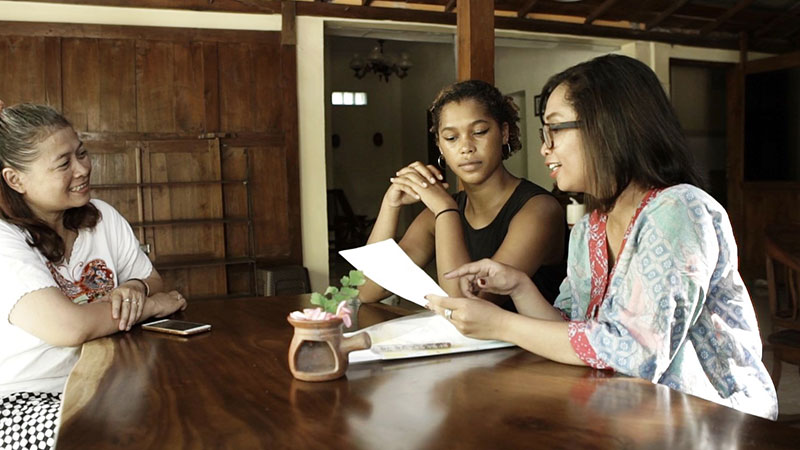
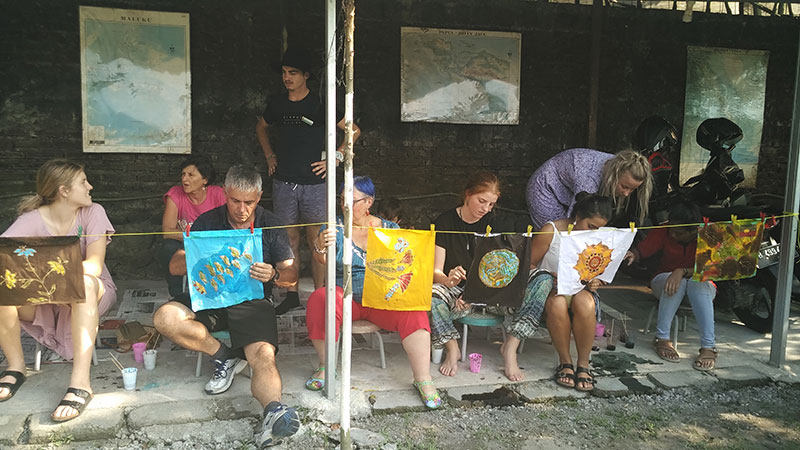
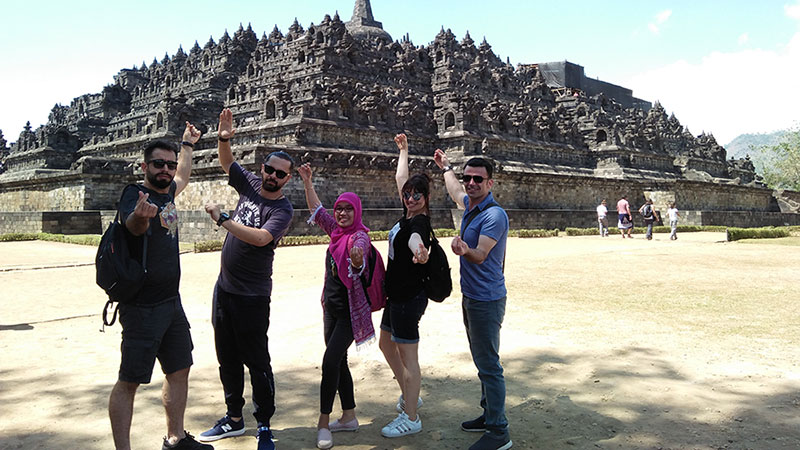
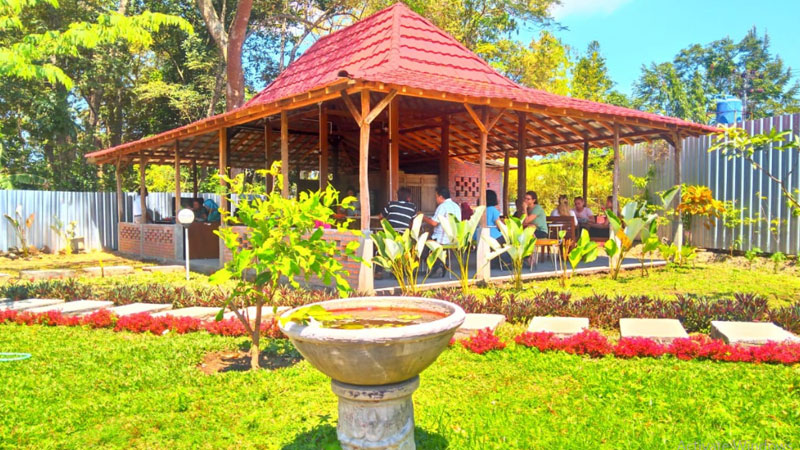
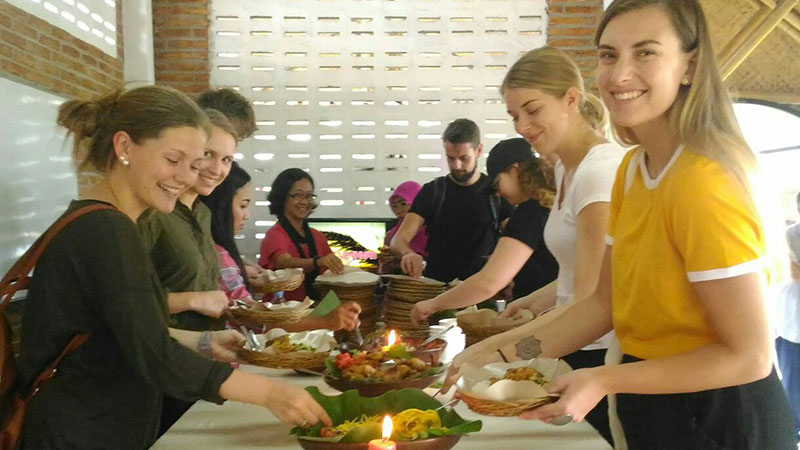
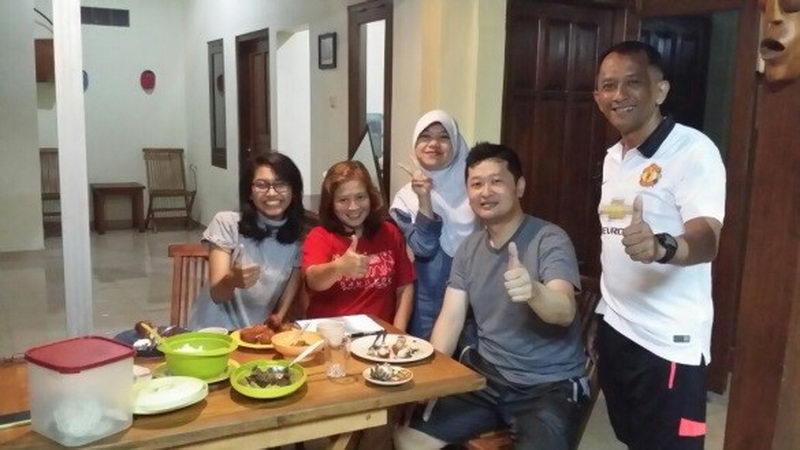
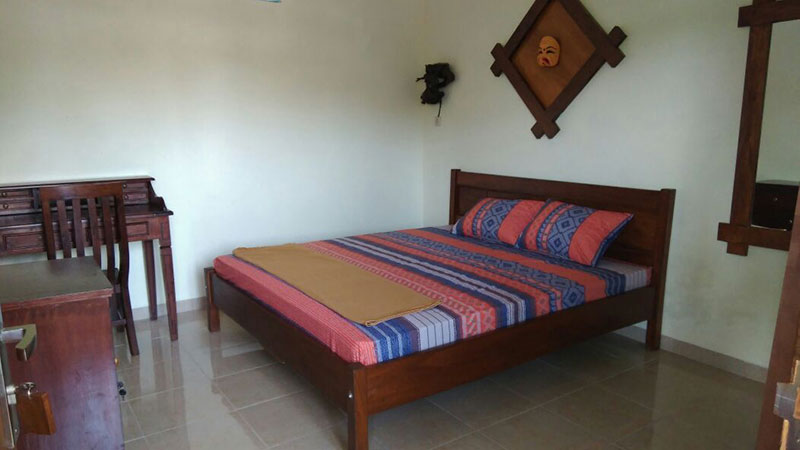

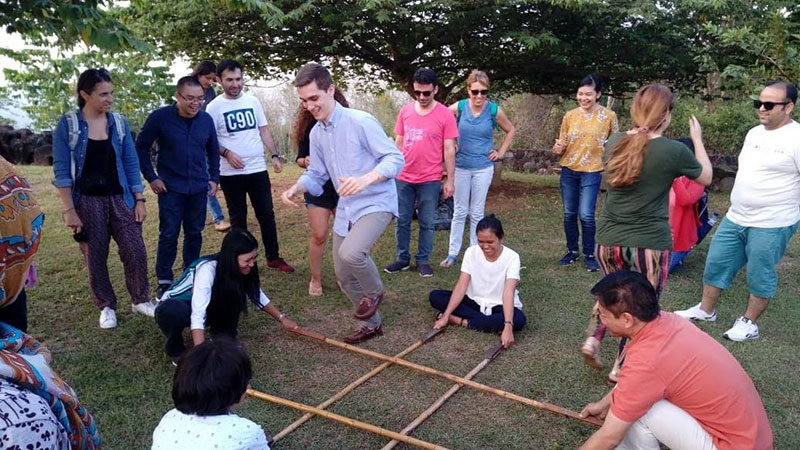
Professional experiences in serving learners from international institutions since 1995 have led Alam Bahasa to be highly accommodative for learners to reach reasonable communicative competence in general and technical language within their time availability.
Alam Bahasa starts new 1-1 classes anytime and offers plenty of learning sessions every day: Monday to Friday from 8 a.m up to 5 p.m and Saturday from 8 a.m. up to 3 p.m. No classes on Sunday and public holidays.
I spent two thoroughly enjoyable weeks studying Indonesian language at Alam Bahasa and going on some memorable field trips. All was very professionally organised and delivered. The communicative method of teaching was perfect! It really encouraged me to use the Indonesian language to express ideas and the combination of games, explanations and workbooks also gave me a deeper understanding of the language structure. I felt welcomed, cared for and I had so much fun!! Thank you all at Alam Bahasa.
- Ginny Holmes, Adelaide, South AustraliaI spent three weeks taking a 60-hour course at Alam Bahasa in April 2015. The teachers and staff at the language center were extremely helpful. The curriculum they used was well-designed and the teachers ensured that I progressed steadily. And one important thing was they made learning the language fun. I had so many laughs at classes and at the school during our weekly lunches. Even though classes were one-on-one, the center arranged gatherings for us to interact with other students. I was also taken to see the palace. It was truly a fun learning experience. I have been traveling in Indonesia the second half of this year and I feel a lot more confident in talking to people. Travels in the country have been very different since my language skills have improved. Thank you so much. Terima Kashi Banyak!!!
- Iris Chow, Hong Kong/IndonesiaPlease accept my thanks for a very enjoyable two weeks of study at Alam Bahasa Indonesia. The 60 hours of study were difficult for me, but very rewarding. I find that I can understand quite a bit of the TV sub-titles in Bahasa Indonesia in foreign films; I was also able to understand the information in the Qantas pesawat terbang coming home; at the bandara I was able to ask lots of people questions about my flight; I can give clear instructions to taxi drivers, comfortably go shopping perfect watches and order food at restorans. I achieved my goal - to enjoy being with Indonesian people who do not have much Bahasa Inggris! The introduction to Me- and Ber- was very valuable and a big step in understanding." I will continue with Bahasa Indonesia and hope one day to return to Alam Bahasa Indonesia as a student.
- Keith Gray, Australia
My experience at the Alam Bahasa Indonesia school was excellent. The one-on-one personalized instruction by enthusiastic young professionals gave me the start I needed to feel comfortable speaking Indonesian. I came out of the two weeks of classes with them feeling energized and excited about talking Indonesian. Many of my staff at CIFOR have taken Indonesian language classes at Alam Bahasa and they all have had a great experience. I have no hesitations about recommending their program to anyone that might be interested.
- David Kaimowitz, CIFOR
My first contact with Alam Bahasa was 2 years ago when I attended the school for just 20 hours of tuition over 5 days. It was a wonderful experience - so much so that I returned a month ago - and completed another 28 hours.
Everything about the school is professional - from the moment you enrol to the day you leave. One on one tuition ensures students get the most out of the hours they spend there. Lessons are tailored to your level and to your needs.
At the first session you are asked what you want to achieve and the program is structured to focus on this. Students work with several teachers during their course and the communication between the teachers is excellent. The lessons are fun and as challenging as you want them to be.
The environment is attractive, comfortable and welcoming. Yes it is a school but even more so a community, with all staff interested in the progress and wellbeing of all students. The weekly lunches and optional cultural classes and excursions add further experiences to the well planned curriculum.
Students travel from around the world to attend Alam Bahasa which speaks volumes about the quality of the courses, the competence of the teachers and the philosophy of the school.
I can highly recommend Alam Bahasa to anyone wanting to learn Indonesian in Yogja.
In April 2017, I undertook a two week Indonesian language course at Alam Bahasa Language Centre’s new premises in Maguwoharjo, Depok, Yogyakarta. In fact, I have attended an annual two week language course at Alam Bahasa since 2009.
During the nine years I have been a student at Alam Bahasa, I have always been extremely impressed with, firstly the professionalism, secondly the warmth and friendliness of teachers and all support staff, and thirdly the wide variety of fellow students I have met from many different regions of the world.
My knowledge and skill in both Bahasa Indonesia and Bahasa Jawa, not to mention a greater overall understanding of Indonesian and Javanese culture, have been greatly enhanced thanks to my association with Alam Bahasa over the years.
I must conclude with my impression of the new premises in Maguwoharjo. It is set in the northern section of Yogyakarta, still close to hotels, shopping malls etc, but at the same time it has a semi-rural feel to it, as we sit in certain classrooms overlooking a rice field (“sawah”), and the impressive “Gunung Merapi” (Mount Merapi) volcano.
Basically, if students of Bahasa Indonesia and/or Bahasa Jawa are looking for professional instruction delivered by dedicated teachers, and coupled with a genuine Indonesian/Javanese cultural approach, I thoroughly recommend anyone, from any part of the world, to come to Alam Bahasa – you will always be glad you did.
Terima kasih dan selamat belajar.
- Don, Australia, 2017
Seandainya setiap bahasa bisa dipelajari seperti di Alam Bahasa. Guru yang baik sekali, satu guru satu murid, dan kalau Anda mau belajar tentang topik tertentu, itu bisa! Sudah saya belajar banyak sekali tentang sejarah Indonesia, bahkan saya mendapat wawasan baru. Saya betah di Alam Bahasa, dan saya berharap aya bisa kembali berkali-kali.
(If only every language could be learned in Alam Bahasa's way. Good teachers, 1-1 class, and the readiness for classes of special topics. Not only that Ihave learned alot of Indonesian language related to my specialization, Indonesian history, my knowledge was even broadened as well. I had a good time in Alam Bahasa and hope that I could keep coming back.)
- Anne van der Veer, The Netherlands
Hallo, ich bin Karin aus Deutschland. Ich arbeite als Stewardess. Daher bin ich immer daran interessiert eine neue Sprache zu lernen, da ich diese in meinem Beruf anwenden kann.
In diesem Jahr (2009) habe ich von meiner Firma eine Freistellung von 14 Tagen für "Bildungsurlaub" bekommen. Von einer Kollegin wurde mir die Schule Alam Bahasa in Yogyakarta empfohlen um Indonesisch zu lernen.
Nach Abschluß meiner 2 Wochen Unterricht kann ich diese Empfehlung nur bestätigen! Die Schule Alam Bahasa bietet sozusagen eine Rundumbetreuung!
Noch bevor ich meine Kurse buchte erhielt ich von der Schule eine ausgezeichnete Beratung. Diese betraf sowohl die Auswahl meiner Kurse, die Kosten, als auch zahlreiche Informationen über die verschiedenen Unterbringungsmöglichkeiten. Sogar ein Flug von Jakarta ach Yogyakarta wurde für mich gebucht, sowie die Unterbringung in dem vonmir gewünschten Hotel arrangiert.
Die Art des Unterrichts mit verschiedenen Lehrern und die Lehrmethode haben mir sehr gut gefallen. In ansprechender Umgebung und in einer sehr freundlichen Atmosphäre fiel das Lernen leicht. Zu jeder Zeit standen Wasser, Kaffe und Tee zur Verfügung, und einmal pro woche fand ein gemeinsames Essen mit Schülern und Lehrern in der Schule statt.
Auf wunsch wurden am Wochenende sogar Ausflüge zu Sehenswürdigkeiten in der Umgebung organisiert, oder sogenannte "Field Trips" während des Unterrichts.
Ich habe schon Sprachschulen in anderen ländern besucht. Davor ist Alam Bahasa mit Absland die Beste!!
Ich habe mich hier sehr wohl gefühlt und wurde von Anfang bis Ende hervorragend betreut. Auf jeden Fall möchte ich bald wiederkommen.
Die Schule Alam Bahasa kann ich nur bestens weiterempfehlen!
- Karin Raubach, Germany
Alam Bahasa made me have an amazing learning experience!
The team is super motivated, skillful, and helpful! I can only recommend Alam Bahasa courses! Also the online courses are amazing!
Bei Alam Bahasa habe ich indonesisch gelernt. Alle Lehrerinnen sind gut ausgebildete und wir haben Zeitungsartikel zum politischen und soziologischen Zeitgeschehen gelesen und Indonesische Filme angeschaut. Die Schule bildet ihre Studierenden über das reine Sprachen lernen hinaus und macht Exkursionen an interessante Orte. Sie sind an Kultur interessiert und gehen auf die Interessen ihrer Studierenden ein.
- Margrit Linder,
I had a great time learning Indonesian for two weeks. The teachers are welcoming and well prepared. They are quite thoughtful about their students and even went out of the way to arrange two extra days of activities for me during local holidays. I highly recommend them.
- Marshall Wilde, USA, 2022
Excellent place to learn bahasa indonesia, the moment you walk through the door you are made more than welcome, the teachers are fantastic,all had their own style and I made some real progress. Thank you Alam Bahasa and I will see you again soon.
- Daniel Crook, UK, 2022
Ik heb zowel offline als online lessen gehad. De school zorgt er niet alleen voor goede lessen maar ook voor een leuke tijd in Yogya. Fijne rustige locatie met uitzicht op de vulkaan. Afwisselende leesmethodes. Aanrader!
- Floris F., Holland, 2022

